
For architecture, urban density is a challenge of performance as much as space. Stricter energy codes, aging buildings, and the physical realities of urban environments all combine into a design balancing act for architects in “concrete jungles.”
Traditional materials often fall short in these conditions, which is why sustainable urban resilience requires an integrated, system-based approach.
Sustainability Challenges Unique to Urban Environments
Cities present unique challenges that architects must address when making design choices. Sto Corp.’s system-based solutions are engineered with these challenges in mind, balancing sustainability goals with cost and constructability by using an integrated system approach.
Improving Envelope Performance
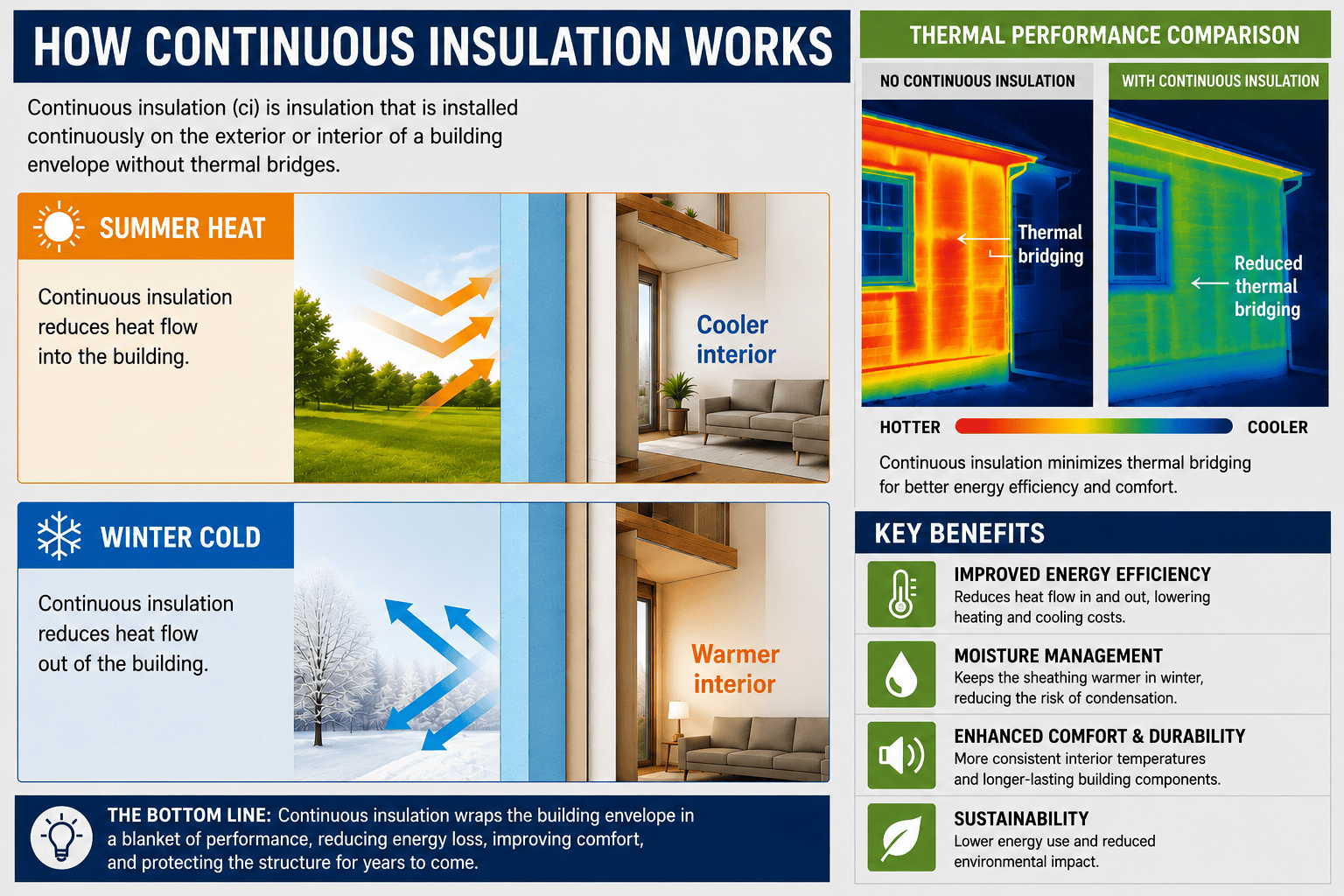
Surface temperature is more than just a heat issue. Thermal stress causes the envelope to expand and contract excessively, which means more maintenance and less durability. Facade materials have a direct impact on surface temperature.
- Continuous Insulation (CI): Systems that utilize StoTherm® ci, StoVentec® Rainscreen® Systems or prefabricated finished wall panels like StoPanel® systems avoid thermal bridging caused by metal studs in traditional alternatives by placing the insulation outside of the studs. This creates a sort of thermal blanket that eliminates thermal “leaks.”
- Occupant Comfort & HVAC: Envelope stability allows for more consistent humidity control and a quieter indoor environment by preventing HVAC systems from working too hard to keep the temperature at the right levels.
Envelope design at the system level avoids issues while accomplishing more in high-rise and multifamily structures typical of city living.
Aligning with Passive House and Urban Energy Standards
Passive House standards, such as low energy consumption, thermal comfort, and high indoor air quality, have found increased adoption in both new construction and renovations, particularly in urban environments. Sto’s systems allow architects to achieve Passive House performance and regulatory requirements by using a single-source solution. Here’s how:
- Effective Continuous Insulation (CI): Achieving the ultra-low U-factors required by codes in dense cities is possible through use of properly engineered CI. The use of StoTherm ci, StoPanel or StoVentec systems allow architects to choose from various insulation types (GPS, mineral wool, or EPS) with thicknesses tailored to specific climate or project requirements while keeping the assembly lightweight and easy to install. These systems are also ideal for either new construction or renovation projects.
- Air and Moisture Control: StoGuard® air and water-resistive systems provide a continuous barrier across the entire building enclosure that resists both air and water intrusion. Not only are StoGuard solutions engineered and tested as part of Sto’s building envelope systems, but there is also a variety of products to choose from depending on project requirements – from liquid-applied barriers to self-adhered barriers or solutions for particular climate or geographic needs. StoGuard Detail Components are also available for detailing at joints, seams, and rough openings.
- Navigating “Stretch Codes”: Many sites adopt codes which are more aggressive than national standards. Sto’s systems are tested as complete assemblies. This gives architects the data they need to achieve these requirements without the guesswork of mixing and matching components that may not work well together. Sto offers systems comparisons on its website as well as the Sto Wall Selector® to assist in identifying the most appropriate solution for a project.
Carbon-Conscious Facade Design
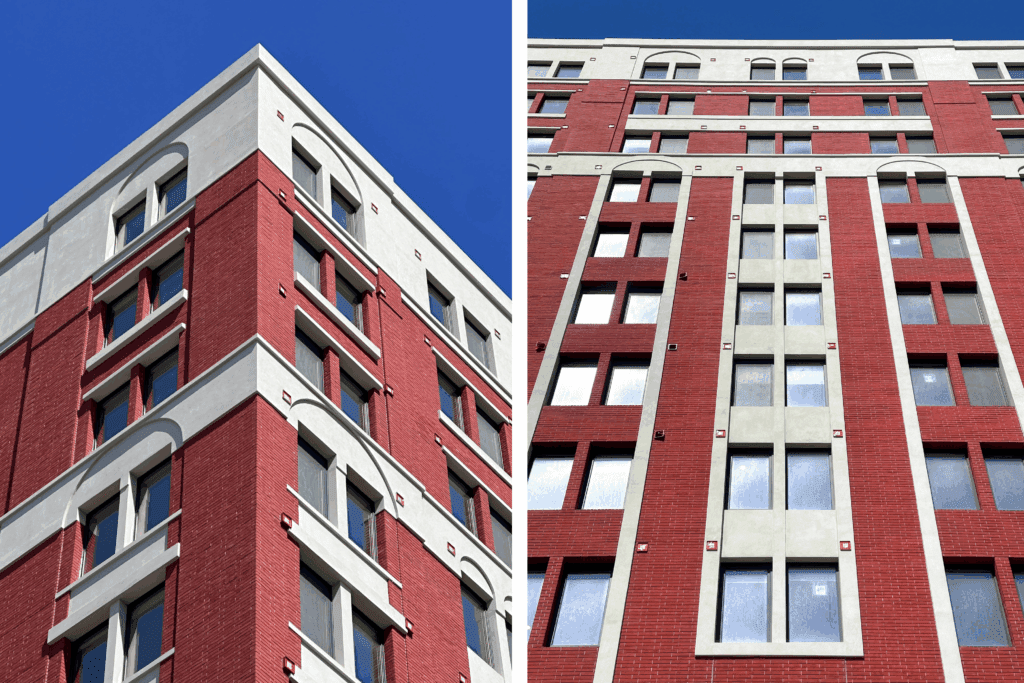
Building with conscience is at the heart of Sto’s philosophy. The carbon footprint of a building doesn’t need to be massive to look good and perform at peak efficiency. Sto systems help accomplish architect goals for performance and aesthetics while remaining environmentally conscious.
- Operational Carbon Reduction Through Energy Performance: Sto’s CI solutions and the use of continuous air and water-resistive barrier system make the building energy efficient. Less energy spent heating and cooling every day means a massive reduction over its lifetime.
- Reduced Embodied Carbon in Material Selection: By using lightweight materials, less fuel is used for shipping, and less heavy structural steel or concrete is needed to hold the building up, lowering the overall “embodied” footprint of the whole project.
- Extending Building Lifespan Through Moisture-Managed Systems: A facade that lasts longer means less carbon footprint spent replacing it. Using systems like StoVentec, a drained and back-ventilated rainscreen system, provides for air movement and water drainage behind the cladding. StoTherm ci and StoPanel systems also incorporate a drainage plane that allows incidental moisture to exit the wall assembly.
- Less Lifecycle Repainting and Replacement: Coatings like StoColor® Lotusan®, with its Lotus Effect® technology that self-cleans with rain, reduce repainting cycles and its environmental impact.
- Decarbonization Without Aesthetic Compromise: Sustainable doesn’t have to mean ugly or boring. A building facade can have the appearance of heavy, high-carbon stone or wood, while being a lightweight, carbon-conscious Sto solution like StoCast® Brick, StoCast® Wood, or StoSignature finish.
Smart Retrofits in Dense City Contexts

In cities, there is rarely a blank slate when it comes to construction. Often, the reality is fixing or upgrading existing buildings that are inefficient, ugly, or failing code. Using Sto system-based solutions, these issues can be overcome without the downsides that come with traditional retrofitting.
Attaching a Sto system like StoTherm ci over an existing facade, for example, reduces waste and disruption. Because they’re lightweight, they typically don’t require expensive structural reinforcements to the existing building.
Insulation can also be tricky. In a dense city, widening a building is often not an option. Using high-performance exterior insulation, you improve insulation power from the outside. This allows the owner to keep their available interior space while hitting modern energy targets.
When it comes to maintaining architectural character, using StoCast Brick to mimic traditional masonry, or StoCast Wood to give a warm, organic look, is a good option to upgrade a building without losing its historic look.
Urban sustainability requires solutions that are compact, high-performing, and adaptable. Facade systems designed for continuous insulation, durability, and carbon-conscious performance help cities move toward long-term resilience.
Explore the Sto Wall Selector to find a solution that fits your project’s requirements. You can also contact our team online or call 800-221-2397 for a project-specific consultation.