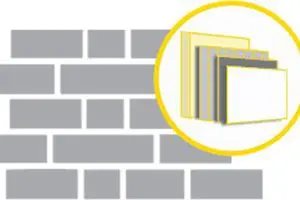
The purpose of building envelopes is to improve building performance. They create a tighter seal around the building, effectively blocking–or at least significantly reducing–air and moisture intrusion. At least, that’s the general idea. But there are many variables at play and there are decisions that can compromise the efficacy of an envelope. The real risk is complexity.
Modern building envelopes are increasingly complex due to higher performance demands, tighter codes and layered assemblies. Complexity alone does not create risk, but uncoordinated systems do.
This blog post explores how uncoordinated systems can compromise an envelope and why a single-source envelope system is a better, more strategic decision.
Where Envelope Risk Typically Begins
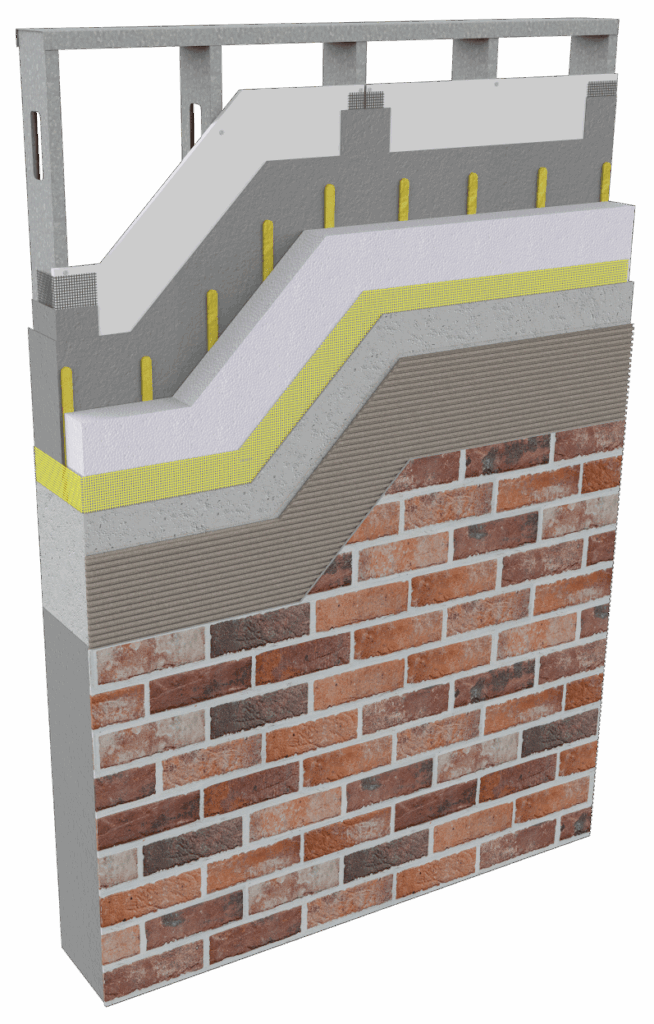
So, what exactly is an “uncoordinated system”? An uncoordinated system is an envelope comprised of products and solutions from different manufacturers, pieced together in an attempt to create a unified system. The problem is that those products and solutions weren’t designed to work together. Even in a best-case scenario, there will be gaps in your envelope.
Gaps at transitions are only one potential issue. These piecemeal solutions often increase coordination challenges and liability. Other common failure points in multi-manufacturer assemblies include:
- Incompatible materials
- Unclear responsibility for transitions
- Conflicting installation requirements
- Warranty gaps
So, what’s the solution? Simplicity via single-source envelope systems.
What “Single-Source” Really Means
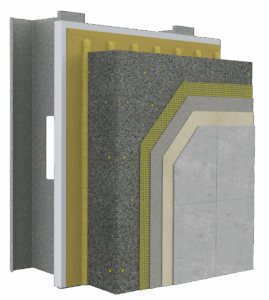
A single-source system is a system where components have been engineered to work together, and there is verified compatibility across all control layers. Integrated components reduce coordination challenges, improve performance reliability and limit long-term risk. At the highest level, single-source envelope systems are a practical risk-reduction strategy. And if anything goes wrong, there is zero confusion about which product manufacturer is responsible.
Many may think there must be drawbacks, such as sacrificing design flexibility. But there really aren’t any drawbacks. Single-source envelope systems simplify design (and can even enhance design freedom), reduce risk and improve long-term performance.
Sto’s Unified Envelope System Approach
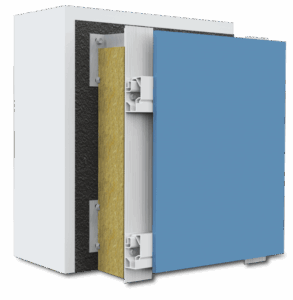
Sto’s integrated approach includes proven technology such as StoGuard® air and water-resistive barriers (AWRBs) and StoVentec® rainscreen systems, and EIFS continuous insulation solutions with StoTherm® ci, including noncombustible options. Plus, we offer field applied and prefabricated solutions, all with system harmony across all air, water, thermal and durability control layers.
These systems simplify design and specification with:
- Specification development
- Detail coordination
- Submittal review
- Reduced need for field-level problem solving due to tested assemblies
Benefits for contractors and installers include:
- Fewer incompatible materials onsite
- Clear sequencing and installation guidance
- Reduced rework and schedule disruption
- Trained application and consistent system execution
And for architects and designers, Sto provides flexibility without fragmentation. Our systems support multiple cladding types within a single envelope strategy and deliver design-driven aesthetics with consistent performance.
Why Simplicity Matters More as Codes Get Stricter

The simplicity of a unified system ensures continuity across transitions and penetrations, improving durability and long-term performance. But simplicity is important for other reasons as well. As building codes get stricter, simplicity will be key. Here’s why:
- Increasing performance and fire code requirements raise the stakes
- Simpler, tested systems reduce compliance risk
- Early collaboration ensures performance goals are achieved without overcomplication
- Simplicity is easier to maintain and adapt as requirements change
Simplicity as a Strategy

Clearly, simplicity is a strategic advantage in envelope design. Single-source envelope systems reduce risk, clarify responsibility and make high-performance buildings easier to design, build and maintain.
Sto has been a longtime champion of the system approach. We encourage you to prioritize coordination and accountability from the start and discover the power of simplicity.
We invite you to engage Sto early to simplify envelope design and reduce project risk. To learn more or request a project-specific consultation, explore our Wall Selector, contact us online or call 800-221-2397.