Time moves ever forward, and so must we. In facade restoration, the key lies in balancing preservation of the architectural character of the past and the modern performance demands the future brings.
Restoration is most successful when preservation and performance are treated as complementary goals, allowing buildings to retain their identity while meeting modern standards.
As a longtime leader in innovative solutions for the restoration of building facades, Sto Corp. serves as a partner by emphasizing preservation-driven systems that integrate modern performance upgrades without compromising architectural character.
Preservation with Purpose
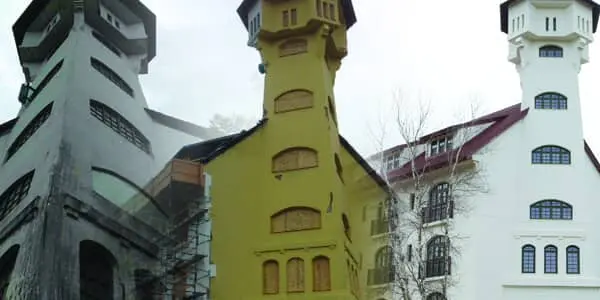
Facade restoration is a great opportunity to replicate historical aesthetics and optimize long-term performance. Visible deterioration on a structure such as cracking, spalling, or fading can be a symptom of underlying issues related to the building envelope. Retaining architectural character in restoration projects is essential. But historical integrity and modern wall science are not mutually exclusive. Facade restoration best practices require respecting the building’s original proportions, materials, and detailing while upgrading the science behind the wall.
Understanding the Condition Before Choosing the Solution

Jumping to a solution without a diagnosis leads to cycles of patching and failing. That’s why a comprehensive evaluation of a restoration project by a skilled, experienced consultant or contractor is a critical first step to success.
Diagnosing existing conditions before restoration involves aspects such as:
- Evaluating Substrate Integrity: Determining if the substrate (concrete, CMU, wood or steel frame) is compromised and needs repair, or if it can support a new cladding if that is being considered.
- Identifying Moisture Intrusion: Pinpointing where moisture intrusion occurred, the impact of the moisture intrusion, and assessing the impact of hydrostatic pressure.
- Defining Scope: Using a data-driven “decision matrix” to choose between surface repair, partial replacement, or high-performance overclad or recladding.
To support this phase, Sto provides more than just materials; we act as a technical partner. Sto maintains an expert support team that can assist in providing project specific solutions and guidance from the early stages of a project through completion. Support may include plan reviews or onsite visits to help evaluate the current state of a building envelope and troubleshoot issues.
Once the initial condition is understood, Sto offers a suite of design tools – such as StoStudio® or StoInspire® for color rendering as well as texture and finish samples – to help visualize how a completed restoration project will look, ensuring that the technical solution also meets the aesthetic requirements.
Sto also offers the Sto Wall Selector, System Finder and Documentation Center, which allow professionals to match their diagnostic findings with a fully engineered system rather than just a patch fix.
Strategic Decision-Making in Restoration Projects

The value proposition of facade restoration hinges on a delicate balance: honoring the architectural legacy of the past while complying with modern demands. A building’s heritage value makes it worth saving, but that value is lost if the structure continues to deteriorate.
Moving from patch-and-paint repair to system-based restoration avoids the pitfalls of increased maintenance cycles. By utilizing Sto solutions, project teams ensure long-term effectiveness by mitigating future risk and extending a building’s service life.
A “cheap” repair often becomes more expensive than a full recladding when labor, structural reinforcement, and logistics are factored in. Heavy traditional materials often require the building’s frame to be reinforced which can be an immense hidden cost. Lightweight solutions like StoTherm® ci EIFS systems, StoCast® finishes, and pre-fabricated StoPanel® systems address these needs by reducing structural dead load and minimizing disruption to occupants through faster installation. Choosing integrated systems also ensures compatibility across all materials.
StoCast products are flexible, prefabricated resin cast shapes that can replicate historic textures like brick or wood while offering significant functional advantages. For example, StoCast Wood provides a warm, UV-resistant aesthetic without the downsides (like potential to rot) or maintenance associated with natural wood. Similarly, StoCast Brick is ideal for matching historic masonry without adding massive structural loads; remarkably, one truck of StoCast Brick replaces 15 trucks of traditional masonry. Because these systems are applied with adhesive, they eliminate fasteners that could create thermal bridges or points for moisture entry.
StoPanel systems reduce dead load by using light-weight components – eliminating the need for structural reinforcements, and circumventing fastener stress (since they are a fully adhered system). Because StoPanel is manufactured off-site, it also minimizes disruption to occupied buildings via faster speed of installation, reduced scaffolding and staging, and producing less noise and debris.
Incorporating Future-Ready Performance
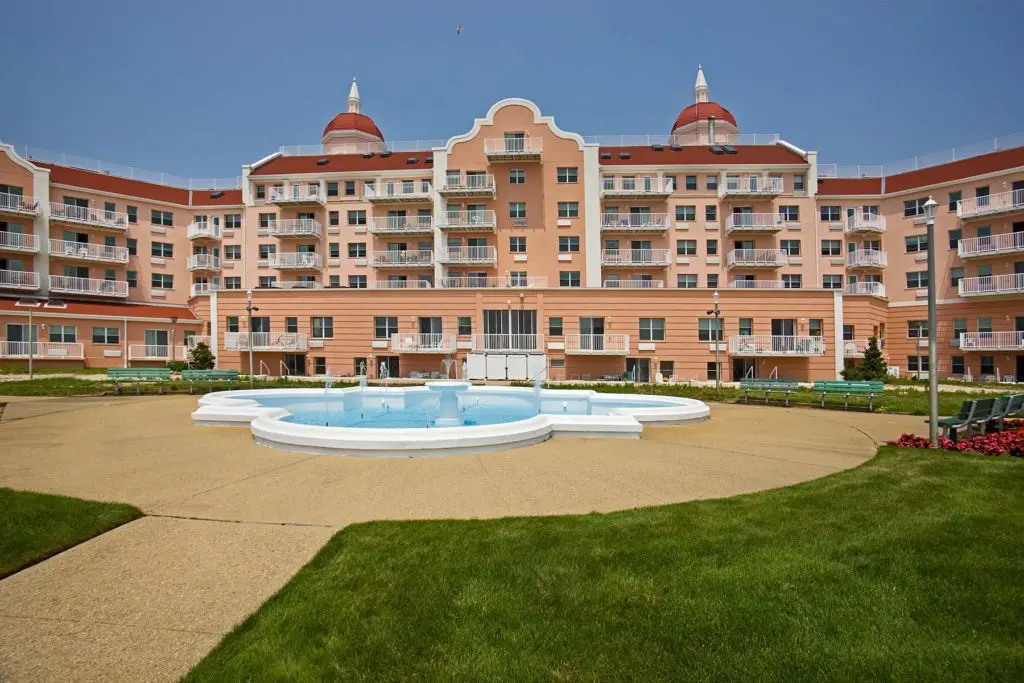
Oftentimes, major facade restorations trigger requirements to meet updated energy codes and safety standards. Instead of viewing these as hurdles, restoration best practices suggest using them as opportunities to improve a building’s long-term resiliency and durability.
A good strategic decision is the addition of continuous insulation during the recladding process. High-performance systems, such as StoTherm ci, eliminate the thermal bridges that drain energy and compromise indoor comfort. Pair this with a seamless air and water-resistive barrier like Sto Gold Coat®, and the restored facade will provide superior air and moisture management, protecting the structural integrity of the building for decades to come.
Enhancing durability after a restoration does not have to compromise architectural expression. Modern wall science, backed by system-based solutions like the kind that Sto offers, allows for both standards to be met and exceeded.
Restoration is a unique process that requires a specialized partner. Reach out by clicking here to speak with a Sto representative today to discuss your project’s requirements and discover how our integrated wall systems can help you bridge the gap between historic character and 21st-century performance.